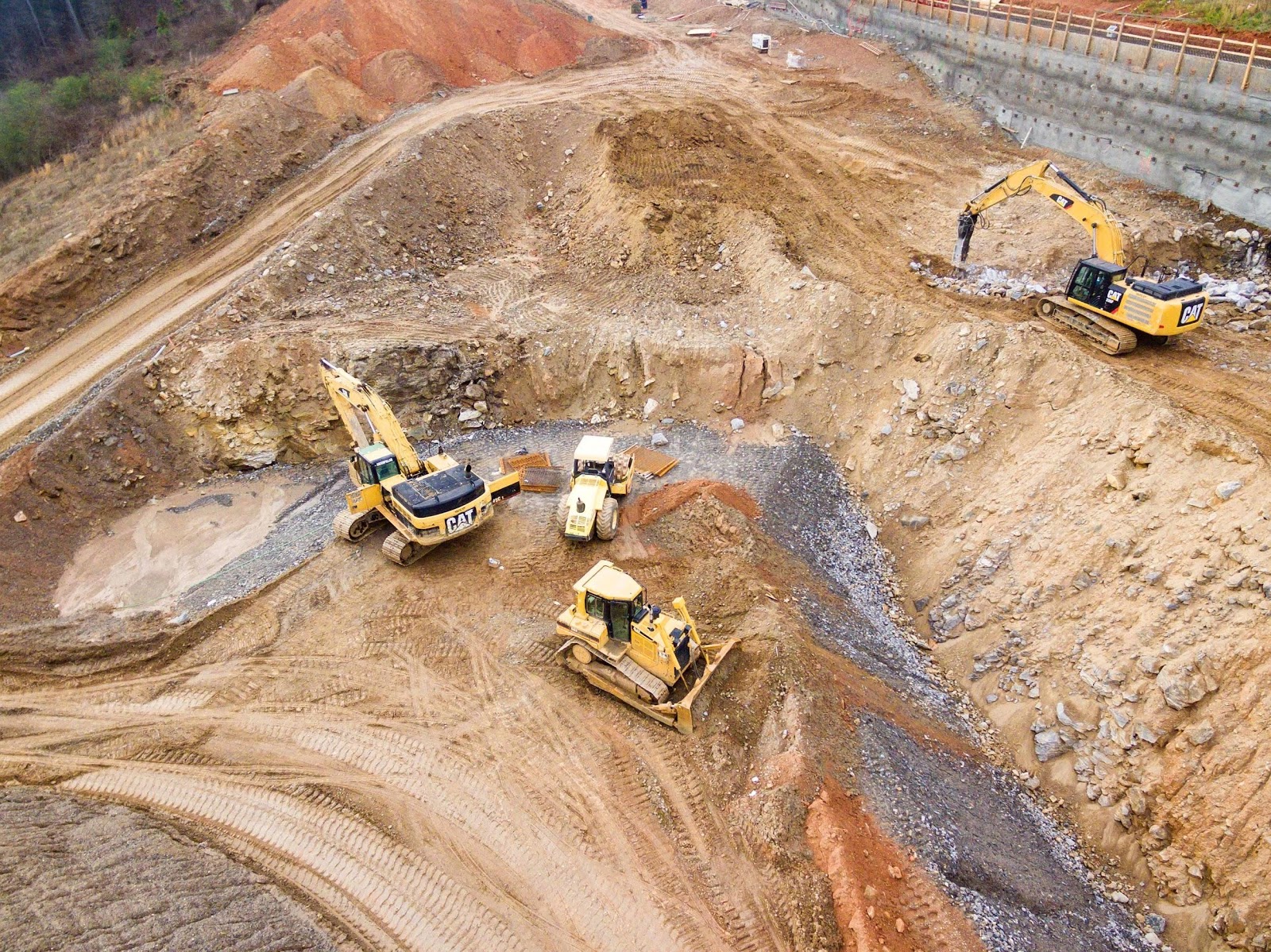
The ripple effect of COVID-19 through the construction industry and the world economy as a whole is more like a tsunami whose effects, like the virus itself, are not yet seen. From material procurement to scheduling to employee safety, the industry may never look the same, and views on risk management have forever been altered.
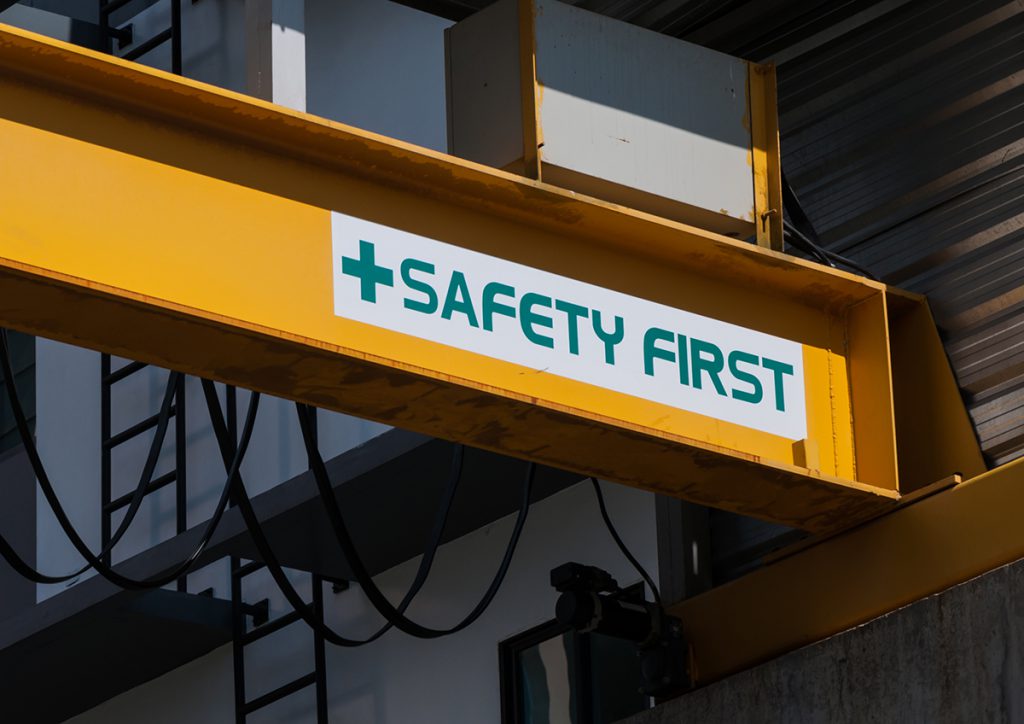
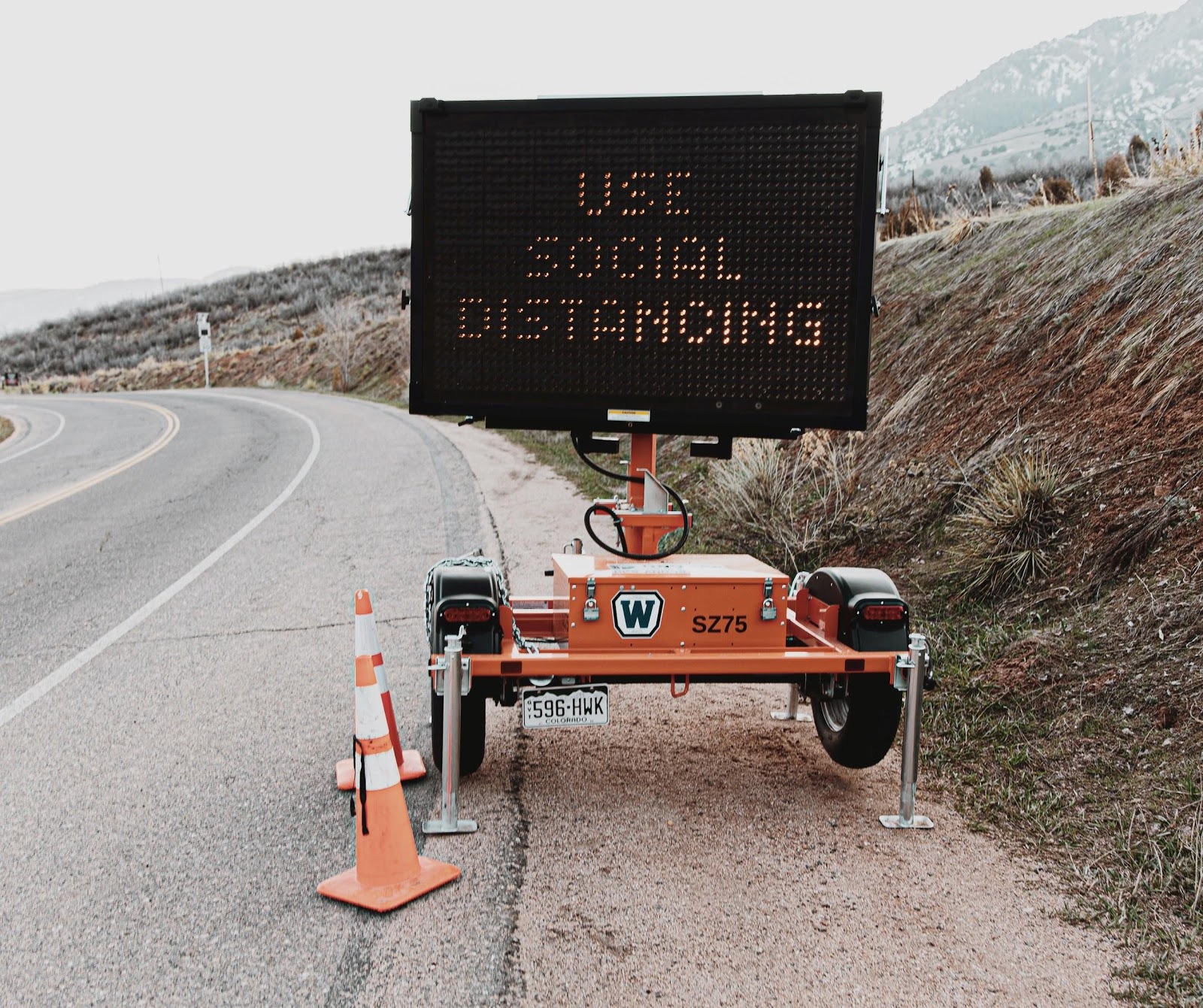
Let’s face it: construction workers are a tough breed. Long hours, cold, rain, and the occasional smashed finger are all just part of the job. But now construction workers are facing something they cannot see that can have serious health implications for them and their families. As construction resumes throughout the country, new protocols for worker safety are being implemented on job sites and in offices, and construction companies must thoroughly explain the risks and controls in order to fully educate their workforce.
As construction resumes throughout the country, new protocols for the safety of workers are being implemented on job sites and in offices in what, arguably, is the greatest unified safety operation ever.
According to a Construction Dive article posted May 11, “The construction industry unemployment rate was 16.6% in April, up from 6.9% in March and far from the 4.7% posted in April 2019.”
A quality control plan (QCP) is essential to all construction projects, helping ensure that the project will be finished not only in a timely manner, but also in adherence to stringent contractual specifications. It looks at specific areas that could affect the quality of the final build and assesses ways to reduce risk and improve the finished product. This often means going through a slew of data points with a fine-toothed comb in order to verify that every part of the construction is up to standards.